


Optimize Service Pages for Local Conversions: Proven Local SEO Service Optimization Strategies
In the competitive landscape of digital marketing, optimizing service pages for local conversions is crucial for businesses aiming to attract nearby customers. Whether you are planning a cleaning company service page redesign or improving an existing local landing page, the right SEO strategy can help turn search visibility into real client inquiries. This article delves into effective strategies that enhance local SEO, ensuring that your service pages not only rank well but also convert visitors into clients. Readers will learn about local SEO service optimization strategies, effective keyword research techniques, and best practices for structured data implementation. The challenge many businesses face is how to stand out in local search results, and this guide provides actionable solutions to improve visibility and drive traffic. We will explore how local keyword research can enhance service page conversions, the integration of local keywords into content, and the importance of optimizing Google Business Profile for better performance.
Local SEO Service Optimization Strategies
Local SEO service optimization involves a variety of strategies designed to improve the visibility of service pages in local search results. Key components include optimizing your Google Business Profile, managing local citations, and encouraging online reviews. These strategies work together to enhance your online presence and attract local customers.
- Google Business Profile Optimization: Ensure your profile is complete with accurate information, including business hours, services offered, and high-quality images. This helps potential customers find you easily and understand what you offer.
- Local Citations: Consistent business information across various online directories improve your credibility and search rankings. Ensure your business name, address, and phone number (NAP) are uniform across all platforms.
- Online Reviews Management: Actively managing and responding to reviews can enhance your reputation and influence potential customers. Positive reviews not only build trust but also improve your local search rankings.
These strategies form the foundation of a robust local SEO approach, setting the stage for further optimization techniques.
Effective Local Keyword Research Techniques

Conducting effective local keyword research is essential for optimizing service pages. This process involves identifying keywords that potential customers are using to search for services in your area.
- Focus on Local Intent: Identify keywords that reflect local intent, such as “near me” or specific geographic locations. This helps in targeting customers who are ready to make a purchase.
- Analyze Competitors: Look at the keywords your competitors are ranking for. Tools like SEMrush or Ahrefs can provide insights into their keyword strategies, allowing you to identify gaps and opportunities.
- Utilize Long-Tail Keywords: Long-tail keywords are less competitive and often have higher conversion rates. Phrases like “best plumbing services in [City]” can attract more targeted traffic.
By implementing these techniques, businesses can effectively tailor their service pages to meet local search demands.
Best Practices for Structured Data Implementation
Structured data is a powerful tool for enhancing the visibility of service pages in search results. Implementing schema markup can help search engines understand your content better, leading to improved rankings and click-through rates.
This perspective is further supported by research highlighting the critical role of local optimization and structured data in driving business conversion.
Local SEO & Structured Data for Business Conversion
The Purpose of the presented research is to substantiate the importance of the local optimization of the retailer’s business for search engines to increase organic traffic; to represent insights and give practical recommendations for retailers regarding local optimization of their business in Google as part of an effective marketing strategy; to create the typical valid data micromarking (by the example of the Ukrainian retailer), which will contribute to an advantageous placement in the Local Pack in comparison with competitors, and increase organic traffic and conversion.
Business optimization in the digital age: Insights and recommendations, A Natorina, 2020
- Schema Markup: Use schema markup to provide search engines with specific information about your services, such as pricing, availability, and reviews. This can enhance your search listings with rich snippets.
- Consistent NAP Information: Ensure that your Name, Address, and Phone number (NAP) are consistent across all structured data implementations. This consistency is crucial for local SEO.
- Testing and Validation: Use tools like Google’s Rich Results Test to validate your markup. This ensures that search engines can read your structured data correctly.
Implementing these best practices can significantly improve your service pages’ performance in local search results.
Enhancing Visibility and Driving Local Traffic
To enhance visibility and drive local traffic, businesses must adopt a multi-faceted approach that includes performance monitoring, community engagement, and content marketing.
- Monitor Performance: Regularly track your website’s performance using tools like Google Analytics. This helps identify which strategies are working and where improvements are needed.
- Engage with the Community: Participate in local events and engage with your community through social media. This not only builds brand awareness but also fosters trust and loyalty.
- Content Marketing: Create valuable content that addresses local issues or interests. This can attract local traffic and position your business as an authority in your field.
These strategies collectively contribute to a stronger online presence and increased local traffic.
How Can Local Keyword Research Improve Your Service Page Conversion?
Local keyword research plays a pivotal role in improving service page conversions by ensuring that the content aligns with what potential customers are searching for. By focusing on local intent and relevant keywords, businesses can attract more qualified leads.
- Focus on Local Intent: By targeting keywords that reflect local intent, businesses can connect with customers who are actively seeking services in their area.
- Limit Keyword Optimization: Avoid over-optimizing your content. Instead, focus on naturally incorporating keywords into your service pages to maintain readability and engagement.
- Utilize Long-Tail Keywords: Long-tail keywords often have higher conversion rates as they target specific customer needs. This specificity can lead to more meaningful interactions and conversions.
By effectively utilizing local keyword research, businesses can enhance their service pages’ relevance and appeal to local customers.
How to Integrate Local Keywords Seamlessly into Service Page Content?
Integrating local keywords into service page content requires a strategic approach to ensure that the content remains engaging and informative.
- Keyword Research: Start with thorough keyword research to identify relevant local keywords. Use tools like Google Keyword Planner to find terms that resonate with your target audience.
- Content Structuring: Organize your content around primary and secondary keywords. This helps in maintaining a logical flow while ensuring that keywords are naturally integrated.
- Incorporate Keywords Naturally: Use local keywords in headings, subheadings, and throughout the content. Ensure that the integration feels organic and enhances the overall message.
By following these steps, businesses can create service pages that are both optimized for search engines and valuable to readers.
Proven Strategies to Optimize Service Pages for Local Conversions
Implementing structured data on local service pages is essential for improving search visibility and click-through rates. Here are some best practices to follow:
- Schema Markup: Use relevant schema markup to provide search engines with detailed information about your services, including pricing and availability.
- Consistent NAP Information: Ensure that your Name, Address, and Phone number are consistent across all structured data implementations. This consistency is crucial for local SEO.
- Testing and Validation: Regularly test your structured data using Google’s Rich Results Test to ensure it is correctly implemented.
These best practices can significantly enhance the performance of local service pages in search results.
How to Optimize Google My Business for Higher Local Service Page Conversions?
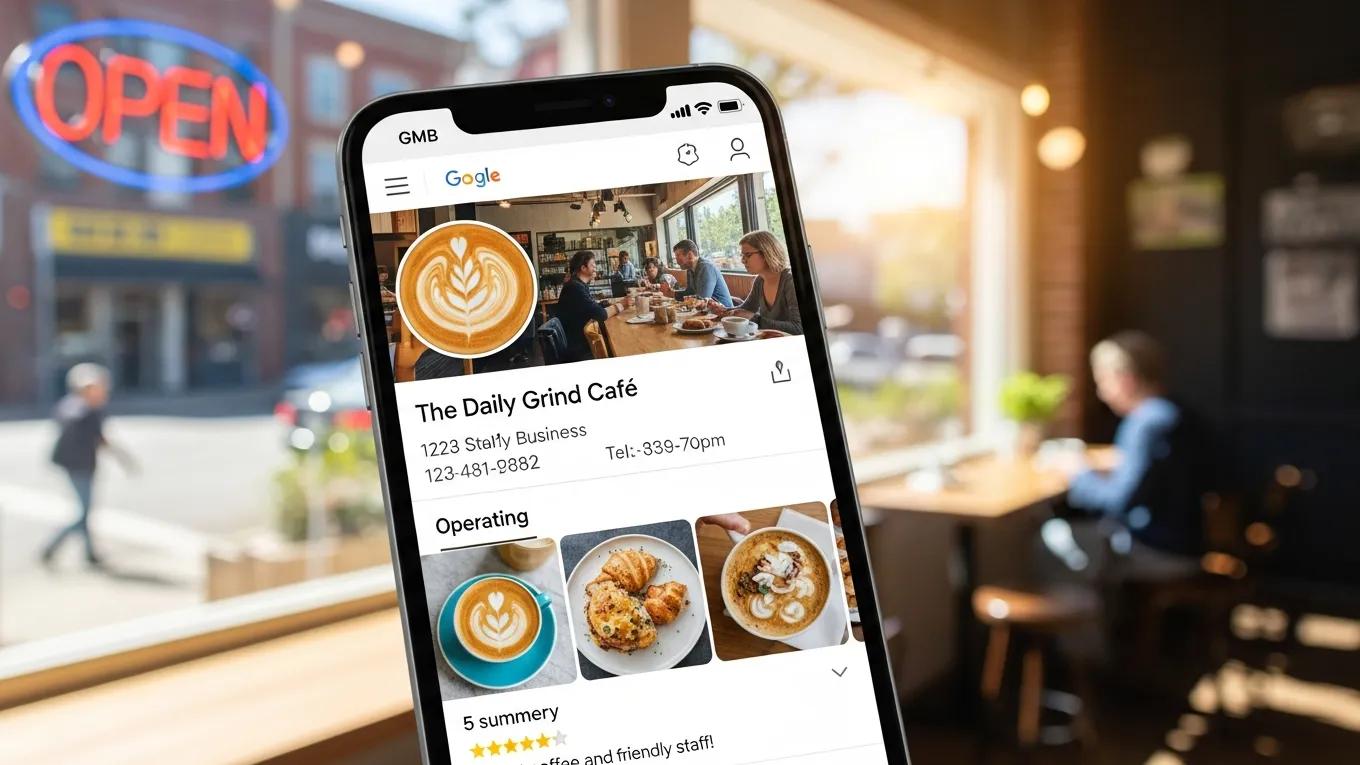
Optimizing your Google My Business (GMB) profile is a critical step in improving local service page conversions. Here are key strategies to consider:
Further emphasizing this point, research underscores the significant impact of a well-optimized Google Business Profile on local search visibility and fostering customer trust.
Google Business Profile for Local Search Visibility & Customer Trust
This study focuses on how businesses could grow and show appear in local search results by using Google Business Profiles (GBPs). Before going to a store or using a service, a lot of people today perform a search on the internet, and Google Business Profile is crucial in helping local businesses connect with clients. The study examines how information such as a company’s location, contact information, hours of operation, website link, reviews, and images affect consumers’ choices. It also looks into how a company’s visibility on Google Maps and in local searches is enhanced by an active and updated profile. The study uses surveys to learn more about how people use Google Business Profiles when searching for local goods or services to better understand this. It is expected that the results will show that businesses with detailed and regularly updated profiles bring in more customers, get better feedback, and gain more trust among consumers. Based on the study’s findings, Google
A STUDY ON THE IMPACT OF GOOGLE BUSINESS PROFILE ON BUSINESS SUCCESS, B Sharma, 2025
- Complete Every Section of Your Profile: Ensure that all sections of your GMB profile are filled out completely, including business hours, services, and descriptions.
- Choose the Right Categories: Select categories that accurately reflect your business. This helps Google understand your services and improves your chances of appearing in relevant searches.
- Add High-Quality Photos: Visual content can significantly impact customer engagement. Include high-quality images of your services, team, and location to attract potential customers.
By optimizing your GMB profile, you can enhance your visibility in local search results and drive more conversions.
What Are Key Google My Business Attributes to Highlight on Service Pages?
Highlighting key attributes of your Google My Business profile on service pages can enhance credibility and attract more customers. Important attributes to consider include:
- Business Name: Ensure your business name is consistent across all platforms to build trust and recognition.
- Categories: Clearly define the categories that best represent your services. This helps potential customers find you more easily.
- Address: Display your business address prominently on your service pages to facilitate easy navigation for local customers.
By emphasizing these attributes, businesses can improve their local SEO and attract more customers.
How Do Reviews and Ratings Influence Local Conversion Rates?
Reviews and ratings play a significant role in influencing local conversion rates. They serve as social proof and can greatly impact a potential customer’s decision-making process.
- Trust and Credibility: Positive reviews build trust and credibility, making potential customers more likely to choose your services over competitors.
- Search Visibility: High ratings can improve your visibility in local search results, as search engines often prioritize businesses with better reviews.
- Consumer Decision-Making: Many consumers read reviews before making a purchase decision. A strong collection of positive reviews can sway their choice in your favor.
Understanding the impact of reviews and ratings can help businesses leverage this powerful tool to enhance local conversions.
What Conversion Rate Optimization Tips Enhance Local Service Page Performance?
To enhance the performance of local service pages, businesses should consider several conversion rate optimization (CRO) tips:
- Intuitive Navigation: Ensure that your website is easy to navigate. A clear structure helps users find the information they need quickly.
- Fast Loading Times: Optimize your website for speed. Slow-loading pages can lead to high bounce rates and lost conversions.
- Clear Calls to Action: Use prominent and clear calls to action (CTAs) to guide users toward desired actions, such as booking a service or contacting your business.
Implementing these CRO tips can significantly improve the effectiveness of local service pages.
Which Call to Action Elements Drive More Local Leads?
Effective call to action (CTA) elements are crucial for driving local leads. Here are some elements to consider:
- Prominent CTAs: Ensure that your CTAs are easily visible and stand out on the page. Use contrasting colors and clear language to attract attention.
- Clear Messaging: Communicate the value of taking action. Phrases like “Get a Free Quote” or “Book Your Appointment Today” can motivate users to engage.
- Urgency: Incorporate urgency into your CTAs. Phrases like “Limited Time Offer” can encourage users to act quickly.
By focusing on these CTA elements, businesses can enhance their lead generation efforts.
How Does User Experience Impact Local Service Page Conversions?
User experience (UX) is a critical factor that impacts local service page conversions. A positive UX can lead to higher engagement and conversion rates.
- Intuitive Navigation: A well-structured website allows users to find information easily, reducing frustration and encouraging them to stay longer.
- Mobile Responsiveness: With an increasing number of users accessing websites via mobile devices, ensuring your site is mobile-friendly is essential for retaining visitors.
- High-Quality Content: Providing valuable and relevant content keeps users engaged and encourages them to take action.
By prioritizing user experience, businesses can significantly improve their local service page conversions.