


Understanding Local SEO Pricing Transparency: Are Local SEO Hidden Fees Impacting Your Marketing Budget?
When managing your marketing budget, understanding local SEO hidden fees is essential. Many small businesses struggle with local SEO pricing transparency, which can lead to unexpected expenses and budget overruns. This article explores the common local SEO pricing models, typical hidden fees, and how local SEO agency fees can vary widely. We provide specific examples of hidden charges, red flags to watch for in local SEO contract terms, and key questions to ask your agency to ensure clear communication and avoid surprises. By the end, you will be equipped to navigate local SEO pricing with confidence and protect your marketing investment through effective marketing budget allocation.
Common Local SEO Pricing Models and How They Affect Local SEO Agency Fees
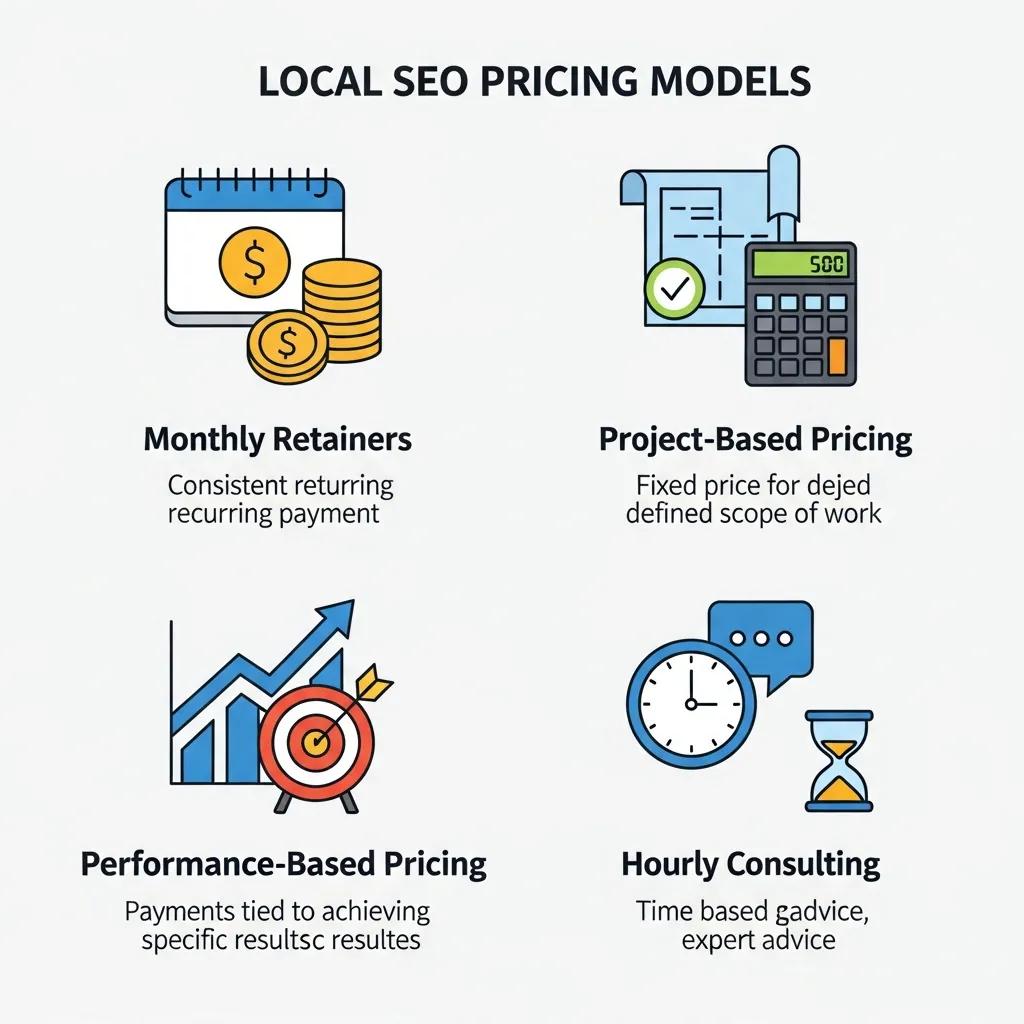
Understanding the various local SEO pricing models is the first step toward achieving local SEO pricing transparency. Agencies typically offer several structures, each with pros and cons that impact your overall local SEO agency fees. The most common models include:
- Monthly Retainer: A fixed monthly fee covering ongoing SEO services such as Google Business Profile management, local citation building, and link building costs. This model offers predictability but may include hidden add-ons. Typical monthly SEO retainer fees range widely depending on service scope and market competitiveness.
- Project-Based Pricing: A one-time fee for specific projects like a website audit or local SEO campaign. This is ideal for businesses with clear, short-term goals but may exclude ongoing optimization fees. The one-time local SEO audit cost can vary from a few hundred to several thousand dollars depending on depth and agency expertise.
- Performance-Based Pricing: Fees tied to measurable results such as improved search rankings or increased traffic. While aligning agency incentives with your success, this model can lead to higher costs if extensive work is needed.
- Hourly Consulting: Charges based on time spent, offering flexibility for occasional expert advice but potentially leading to unpredictable costs.
Choosing the right pricing model depends on your business needs and budget, but always inquire about potential hidden fees to maintain transparency.
Key Factors Influencing Local SEO Agency Fees and Pricing Variations
Several factors influence local SEO agency fees and cause pricing variations across providers. Understanding these can help you anticipate costs and avoid surprises:
- Market Competitiveness: In highly competitive industries or locations, agencies may charge more due to the increased effort required for effective SEO.
- Number of Service Areas: Targeting multiple locations increases the complexity and cost of local citation building and optimization.
- Current Online Visibility: Businesses with low visibility often require more intensive work, including link building and content creation, which raises fees.
- Scope of Services: Comprehensive packages including Google Business Profile management, reporting fees, and ongoing optimization typically cost more than basic local SEO services.
Assess your specific needs carefully and ask agencies to break down their fees to ensure clarity.
Identifying Local SEO Hidden Fees: Specific Pricing Models, Contract Terms, and Red Flags
Local SEO hidden fees can significantly inflate your marketing budget if not identified early. These fees often arise from unclear local SEO pricing models and ambiguous local SEO contract terms. Here are common examples and red flags to watch for:
- Add-On Fees: Charges for extra keyword targeting, additional content creation, or expanded link building costs beyond the initial agreement. These often appear in contracts without clear caps or prior approval requirements.
- Setup Fees: Initial costs for onboarding, website audits, or establishing local citations that may not be clearly disclosed upfront. Watch for vague language about these fees in proposals.
- Reporting Fees: Some agencies charge separately for performance reports or analytics, which can add up over time if not included in the monthly SEO retainer.
- Vague Contract Language: Ambiguous terms about service inclusions, deliverables, or cancellation policies can lead to unexpected charges or penalties. Look for unclear descriptions or missing details in local SEO contract terms.
- Cancellation and Early Termination Fees: Penalties for ending contracts early, often buried in fine print. These can be substantial and impact your marketing budget allocation.
Additional SEO proposal red flags include lack of itemized pricing, absence of performance metrics, and long-term commitments without exit options. Always request a detailed breakdown and clarification before signing.
Transparent Pricing Comparison Table: Transparent vs. Hidden Local SEO Fee Structures
Evaluating ROI vs Cost: Making Smart Marketing Budget Allocations
Understanding the relationship between local SEO agency fees and the return on investment (ROI) is critical for effective marketing budget allocation. While lower fees may seem attractive, hidden costs can erode your ROI. Conversely, transparent pricing with clear deliverables often leads to better long-term results.
To evaluate ROI effectively:
- Compare the cost of services against measurable outcomes such as increased local search rankings, website traffic, and lead generation.
- Consider the value of ongoing optimization and maintenance included in the pricing model.
- Factor in potential hidden fees that could increase total expenses beyond initial quotes.
- Assess the agency’s track record and case studies to estimate realistic results.
Balancing cost and expected benefits helps ensure your marketing budget allocation maximizes business growth without unexpected financial strain.
Questions to Ask Your Local SEO Agency to Ensure Pricing Transparency
Before signing an agreement, ask your agency these critical questions to uncover any potential hidden fees and clarify local SEO contract terms:
- What specific services are included in the quoted local SEO agency fees?
- Are there any setup fees or one-time charges I should be aware of?
- How do you handle add-on services or additional work requests?
- Are reporting fees included in the monthly SEO retainer or billed separately?
- What is your policy on contract length and early termination fees?
- Can you provide examples of local citation building and link building costs within your packages?
- How do you manage Google Business Profile updates and is this included in the pricing?
- Can you provide a detailed breakdown of all fees and expected expenses?
Asking these questions helps ensure you understand all costs and avoid surprises.
Checklist for Evaluating Quotes and Negotiating Fair Pricing
Use this checklist to evaluate SEO proposals and negotiate transparent, fair pricing:
- Request a detailed, itemized quote covering all services and fees.
- Verify inclusion of setup fees, ongoing optimization, and reporting costs.
- Check for clear definitions of deliverables and service scope in the contract.
- Identify any vague or ambiguous language that could hide fees.
- Confirm cancellation policies and early termination fees are reasonable and clearly stated.
- Ask for references or case studies demonstrating ROI.
- Negotiate caps on add-on fees or require prior approval for additional work.
- Ensure the pricing model aligns with your business goals and budget.
Following this checklist empowers you to negotiate effectively and secure transparent pricing that fits your needs.
How to Budget Effectively for Local SEO While Avoiding Hidden Fees
Effective budgeting for local SEO requires proactive steps to identify and manage potential hidden fees. Consider the following strategies:
- Research Typical Costs: Understand average pricing for services like local citation building, link building, and Google Business Profile management in your industry.
- Request Detailed Proposals: Insist on itemized quotes that include setup fees, ongoing optimization, and reporting fees.
- Review SEO Contract Terms Carefully: Look for vague language or clauses that could lead to unexpected charges.
- Set a Clear Budget: Allocate funds with a buffer for potential add-ons but avoid open-ended agreements.
- Monitor Expenses Regularly: Track invoices and service delivery to catch any unapproved fees early.
By following these steps, you can maintain control over your marketing budget and maximize your return on investment.
Expanded Examples of Local SEO Hidden Fees and How They Impact Your Budget
To illustrate how local SEO hidden fees can affect your budget, consider these real-world examples:
- Example 1: Unexpected Setup Fees — A small business signs a monthly SEO retainer contract but later discovers a $500 setup fee for initial local citation building was not disclosed upfront, increasing their first-month cost significantly.
- Example 2: Add-On Content Creation — An agency charges extra for blog posts or landing pages beyond the agreed scope, adding hundreds of dollars monthly without prior approval.
- Example 3: Reporting Fees — Some agencies bill separately for monthly performance reports, which can add $100 or more per month, impacting the overall budget.
- Example 4: Cancellation Penalties — A business terminates their contract early but faces a penalty equal to two months’ fees due to a long-term commitment clause hidden in the local SEO contract terms.
These examples highlight the importance of thorough contract review and clear communication with your local SEO agency.
How to Read and Understand SEO Contract Terms to Avoid Unexpected Local SEO Agency Fees

Reading and understanding SEO contract terms is crucial to avoid unexpected local SEO agency fees. Focus on these key areas:
- Contract Length and Termination: Check for minimum commitment periods and penalties for early cancellation.
- Service Inclusions and Exclusions: Ensure all services like local citation building, link building costs, and Google Business Profile management are clearly listed.
- Fee Structure: Look for setup fees, add-on fees, reporting fees, and how additional work is billed.
- Performance Guarantees: Be wary of vague promises without clear metrics or consequences.
Request clarification on any ambiguous terms and consider having a legal professional review the contract if necessary.
Frequently Asked Questions About Local SEO Hidden Fees and Pricing Transparency
What are the most common hidden fees in local SEO?
Common hidden fees include setup fees, add-on charges for extra content or keywords, reporting fees, and penalties for early contract termination.
How can I ensure local SEO pricing transparency with my agency?
Request detailed, itemized proposals, clarify all contract terms, ask about potential add-ons, and maintain open communication throughout the engagement.
Are performance-based local SEO agency fees more cost-effective?
Performance-based fees align costs with results but can become expensive if significant work is needed to achieve goals. Evaluate your risk tolerance and budget before choosing this model.
What questions should I ask to uncover hidden local SEO fees?
Ask about setup fees, add-on services, reporting fees, contract length, cancellation policies, and how services like local citation building and Google Business Profile management are billed.
How do vague SEO contract terms affect my marketing budget?
Vague terms can lead to misunderstandings about included services and fees, resulting in unexpected charges and budget overruns.
Can I negotiate local SEO agency fees and contract terms?
Yes, negotiating for clear pricing, defined service scopes, and flexible contract terms is recommended to avoid hidden fees and ensure transparency.
How to Monitor and Control Local SEO Agency Fees Over Time
Maintaining control over your local SEO agency fees requires ongoing vigilance. Implement these practices:
- Request Transparent Pricing Structures: Ensure your agency provides clear, updated pricing as services evolve.
- Conduct Regular Performance and Billing Reviews: Compare invoices with agreed services and assess ROI.
- Set and Enforce Budgets: Establish spending limits and require approval for additional work.
- Maintain Open Communication: Address any concerns about fees or services promptly with your agency.
These steps help prevent unexpected costs and keep your local SEO efforts aligned with your financial goals.
To further enhance your online presence, consider exploring local SEO services.
Many businesses find that a well-structured Google Maps SEO strategy is essential for attracting local customers.
For small businesses, investing in SEO services can provide a significant return on investment.
If you’re in the Phoenix area, consider partnering with a reputable SEO company to optimize your online visibility.
Additionally, businesses in the home services industry can benefit greatly from specialized SEO strategies.